

With temperatures rising, clean drinking water is also becoming scarcer in countries that have, in the past, been able to draw from unlimited resources. This is true for Germany as well as for other central and northern European nations. It is of little surprise, therefore, that the idea of creating closed water loops so that treated water can be reused runs like a common thread through the National Water Strategy that was passed by the German government in 2023. Reusing water takes the pressure off groundwater and other bodies of water. The parties currently governing Germany specifically wrote into their coalition agreement that they intend to continue to pursue this policy.
The European Union has also addressed the subject of water reuse, although they have approached it from a different angle. In 2020, it set out its minimum requirements for the safe reuse of treated water in agricultural irrigation. This has been in force in all EU member states since 2023 and defines four different quality categories.
This topic is, therefore, on the agenda. Numerous challenges, however, must still be overcome if substantial progress is to be made in this area and treated water is to be reused: these include the attitude of the general public towards this subject (think ‘fear of pollution’ here), the legal framework, the ‘polluter pays’ issue, the carbon footprint and the costs. But let’s look at them one by one.
“Here in Germany, we also have regions that do not have sufficient supplies of drinking water, such as Berlin and Brandenburg. Water providers in these areas must respond and draw up more detailed plans on how their scarce resources should be used.”
Prof. Peter Hartwig, a water management and environmental technology expert for the REMONDIS Group
Tried & tested technologies
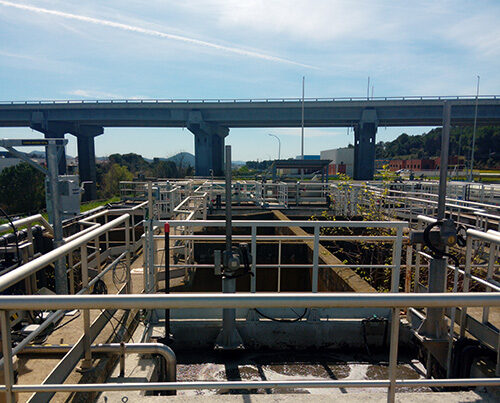
First things first: the technology required to enable water from wastewater treatment plants to be recovered for industrial and agricultural use has been tried and tested and effectively deployed for many years now. Many countries in the Mediterranean region and other water-poor parts of the world – such as the USA, India and the Gulf states – have implemented these systems successfully. REMONDIS Aqua, a partner to industry and local authorities for all matters involving water management, is one of the most committed players in this field.
Up to now, most sewage treatment plants have introduced a fourth treatment stage into their operations because of statutory regulations, i.e. to prevent micropollutants, such as pharmaceutical residues and household chemicals being released into bodies of water and the food chain.
So far, little attention has been paid to how this water could be effectively reused. Things are beginning to change, however, as Prof. Peter Hartwig explained: “Here in Germany, we also have regions that do not have sufficient supplies of drinking water, such as Berlin and Brandenburg. Water providers in these areas must respond to this situation and draw up more detailed plans on how their scarce resources should be used. This includes making targeted use of treated water wherever it can substitute freshwater from deep reservoirs and rivers.” Hartwig is an expert specialising in water management and environmental technology for the REMONDIS Group.
Sustainable water management in India
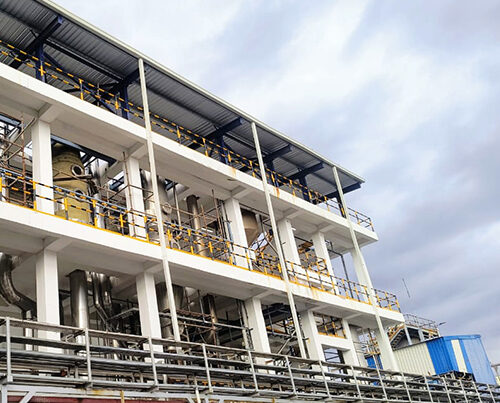
REMONDIS Aqua operates one of its flagship projects for the chemicals company Evonik in India. It was here that it drew up a concept for, financed and built a wastewater/ZLD facility at Evonik’s production plant in Dombivli, Maharashtra. The facility was successfully commissioned in 2022 and REMONDIS Aqua is in charge of operating and maintaining it.
The wastewater – which contains large volumes of dissolved solids – first undergoes chemical treatment before going through a variety of filtration stages. The concentrated brine is then fed into a multiple effect evaporator, which recovers the remaining water and ensures that not a single drop of water is released into the environment. Highly pure sodium sulphate is also recovered as a by-product in special drying facilities and automatically filled into bags so it can be returned to industry for reuse.
A look inside the ZLD facility at Evonik’s production plant in India
Areas of use
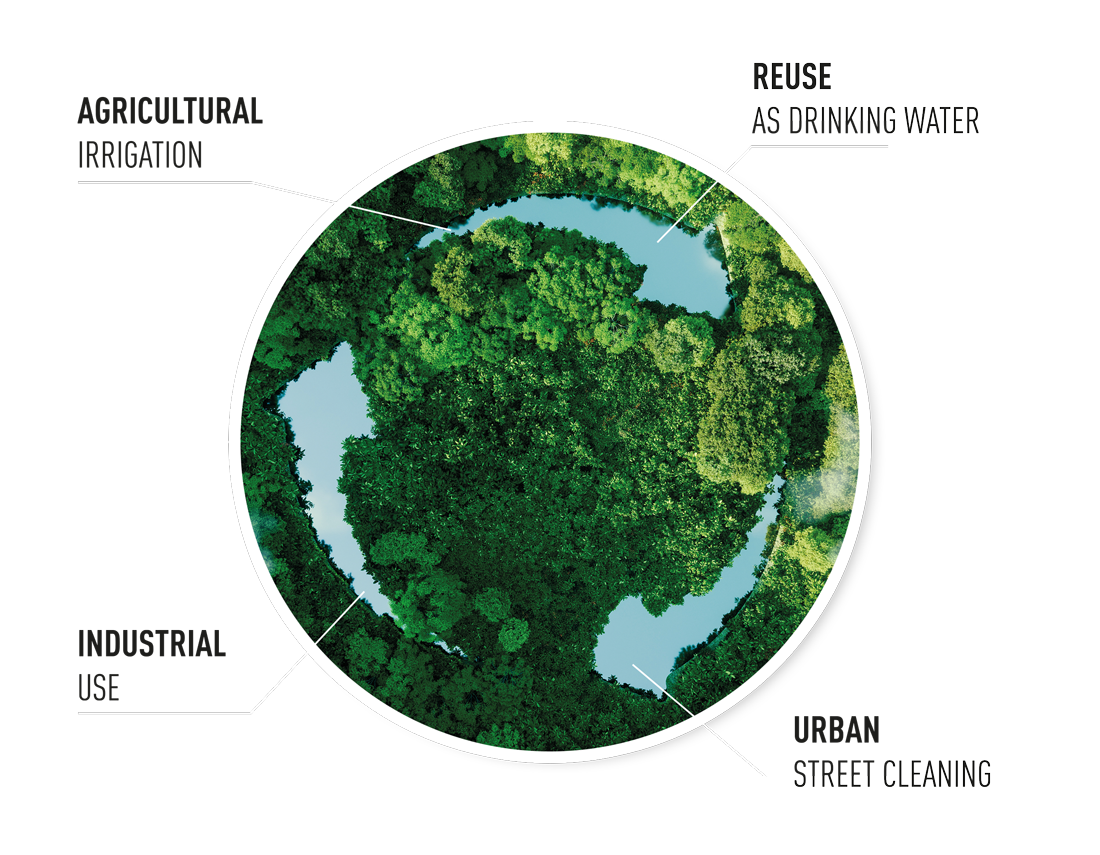
Treated water can be used in different ways depending on the specific wastewater treatment requirements. Agricultural irrigation is the most common use worldwide. One of the reasons why this is so widespread is because the water often still contains nutrients that can be used as fertiliser. This means that these substances need not be removed from the wastewater during the treatment process.
The second area is industrial use, for example as cooling or process water. Arid regions around the world, such as the Gulf states and India, have further developed this process into zero-liquid discharge (ZLD) systems. As the name suggests, plants and industrial estates are run with the aim of closing all water loops – ideally without a single drop of water being lost. REMONDIS Aqua and its Indian subsidiary operate several such projects for both international customers, such as Evonik, and local industrial businesses.
Similar to agricultural irrigation, urban treated water is used to water parks, clean streets and flush toilets. Finally, there are two ways to use treated water as a substitute for drinking water or to support drinking water supply. It can be used indirectly, i.e. where the treated water is released into the reservoirs or groundwater and then processed back into drinking water at a later date. Or it can be used directly: the water is treated in line with the highest technical standards and fed straight back into the drinking water network. While this method is not permitted here in Germany, it has been used for many decades in, for example, Singapore and Namibia.
Legal framework
Strict regulations are in place about how municipal wastewater may be reused as it can impact on both the environment and public health. Many countries have specific rules on water quality and instructions about risk management and these vary in strictness depending on the intended area of use. Legislation is currently being drawn up in Germany that aims to harmonise its national law with the EU directive mentioned earlier as well as to regulate other areas. Specifically, this will involve putting regulations into place for use in urban areas and for agricultural irrigation.
There are no plans to use it to recharge groundwater even though experts believe this step is needed. Prof. Jörg E. Drewes, chair professor of urban water systems engineering at the Technical University of Munich, is in favour of indirect water reuse: “The impact of climate change has resulted in regions in Germany also being affected by water scarcity. Groundwater levels drop considerably from season to season and this is having a major impact on the environment and agriculture. Treated water could be used to specifically recharge groundwater and support local water supply during these phases. Risk management requirements have already been laid out in the planned legislation and the technology is already there to do this.” This option should be taken into account in the investments currently being made in wastewater treatment plants and not in a few years’ time as this would mean additional investments having to be made.
Whatever the case, water reuse makes water supply more resilient as treated water is a resource unaffected by drought.
Costs & the ‘polluter pays’ principle
Even if the legal framework offers sufficient flexibility, the systems used to process and supply the treated water must be economically viable. Depending on the quality requirements, it has been estimated that the additional costs for one cubic meter of treated water destined for agricultural use will lie between one and three euros. And then there is also the distribution network that needs to be set up. The additional costs have been put at up to ten euros if all the water is treated in a ZLD facility – even if a direct comparison with agricultural use is more difficult here. What will be key, therefore, is the price that must be paid for freshwater, in particular by agricultural and industrial customers. If the aim is to increase the amount of treated water consumed then the pricing of freshwater must reward this. Whatever the case, water reuse makes water supply more resilient as treated water is a resource unaffected by drought.
At the end of the day, implementing water reuse projects requires large initial investments, long-term financing concepts, an ability to plan ahead and collaboration between local authorities, industry and the agricultural sector. Hartwig is, however, convinced that such systems can be economically viable over the long term, especially in water-poor regions.
When it comes to the costs, calls can be heard again and again that the polluter, i.e. industry, should pay. Hartwig, however, warns against spending time drawing up a ‘fair’ cost-sharing arrangement: “We shouldn’t get bogged down by the effort of trying to work out such issues. This process could take years to resolve as it is so complex – years in which we won’t know how to finance future projects. Many may find this an unsatisfactory situation but pragmatically it is the right thing to do.”
The different stages of wastewater treatment
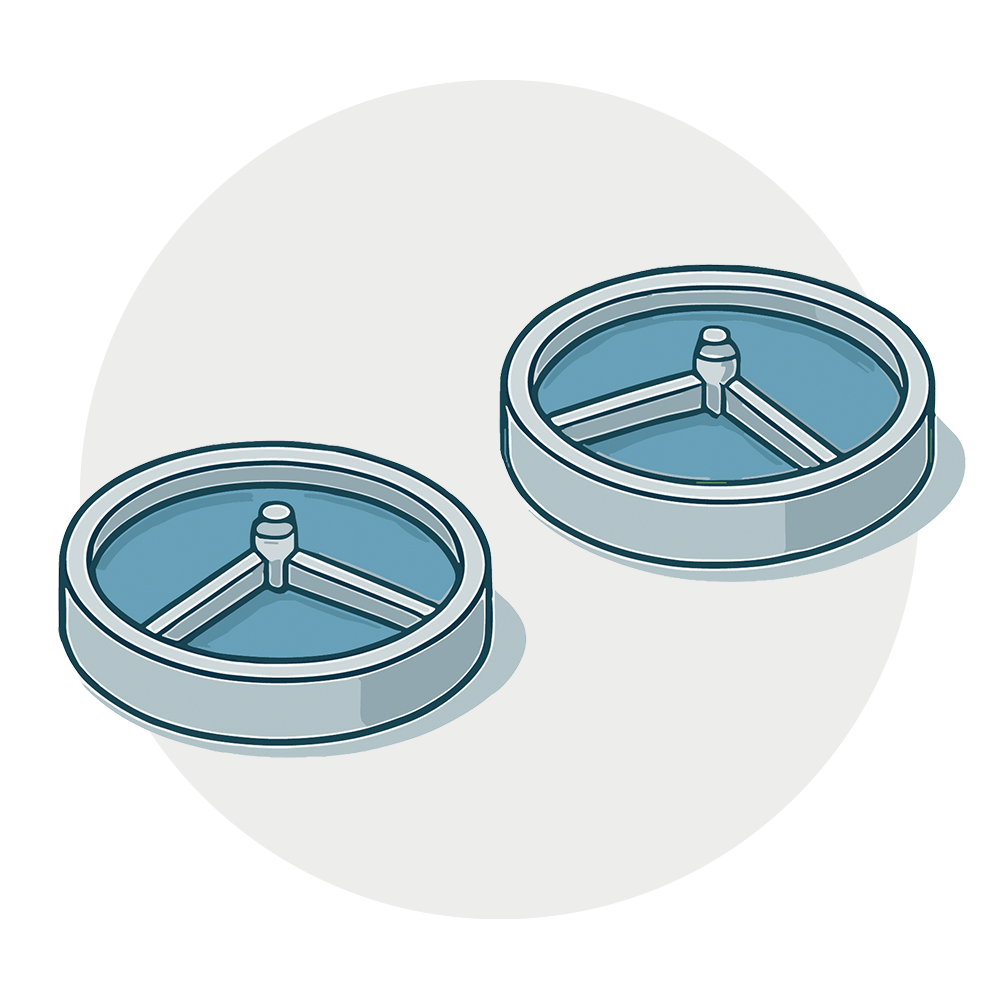
Mechanical treatment
Large objects (e.g. sand, paper and fat) are removed using screens, sieves and sedimentation tanks.
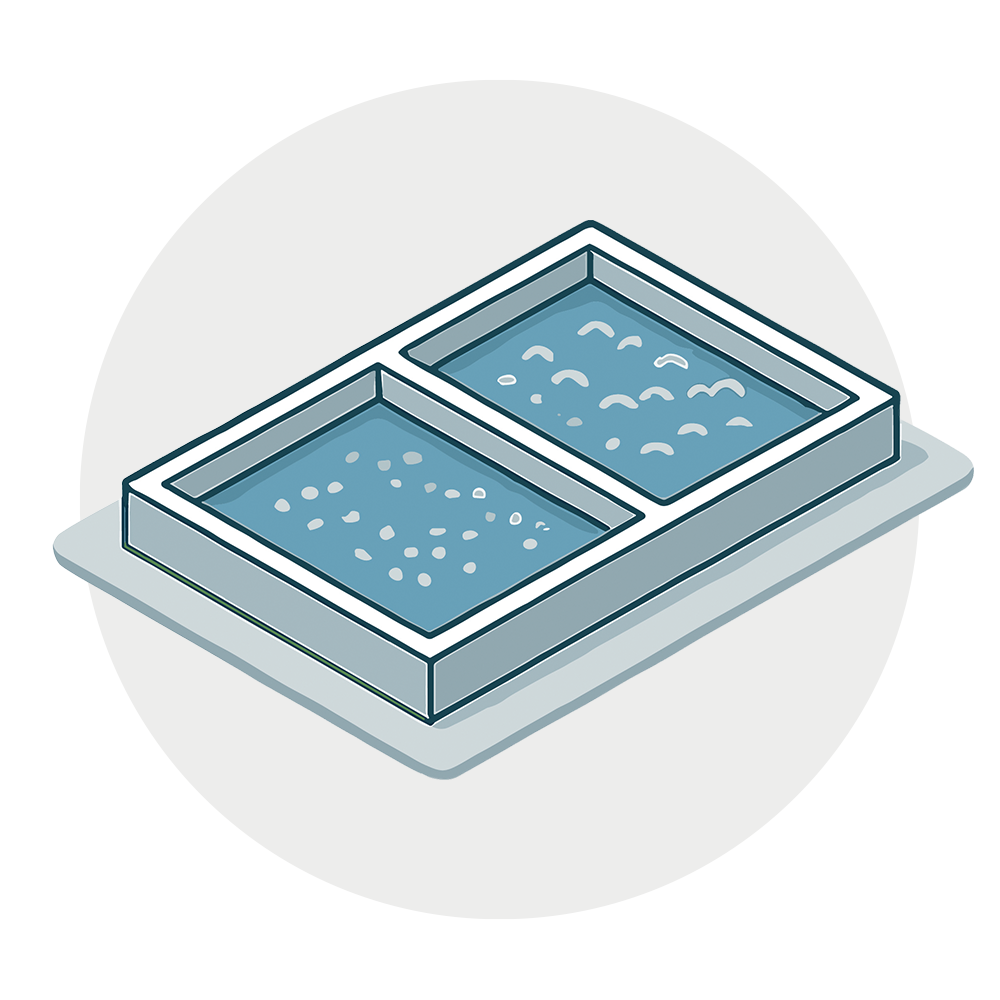
Biological treatment
Microorganisms are used to degrade organic matter. Some carbon compounds and nitrogen are removed during this process.
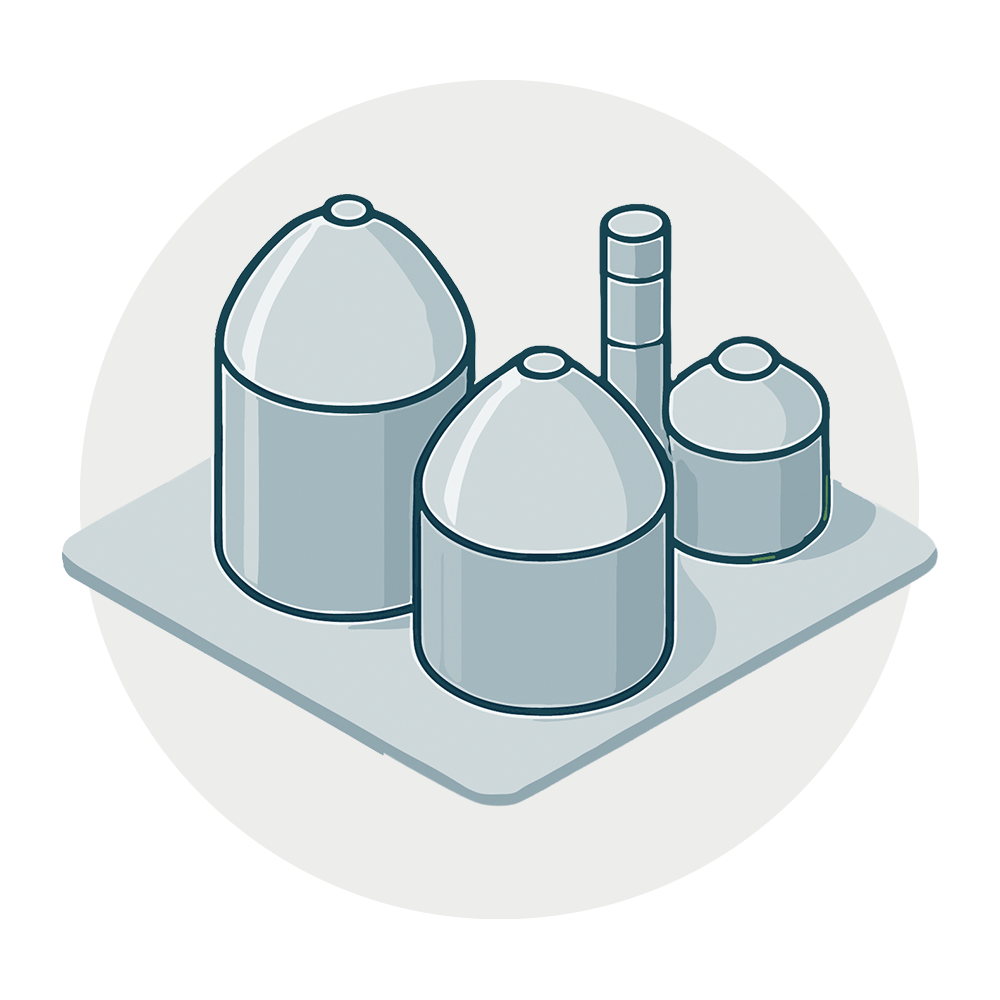
Chemical treatment
Chemical precipitation is used to remove substances – primarily phosphorus – to protect bodies of water from eutrophication.
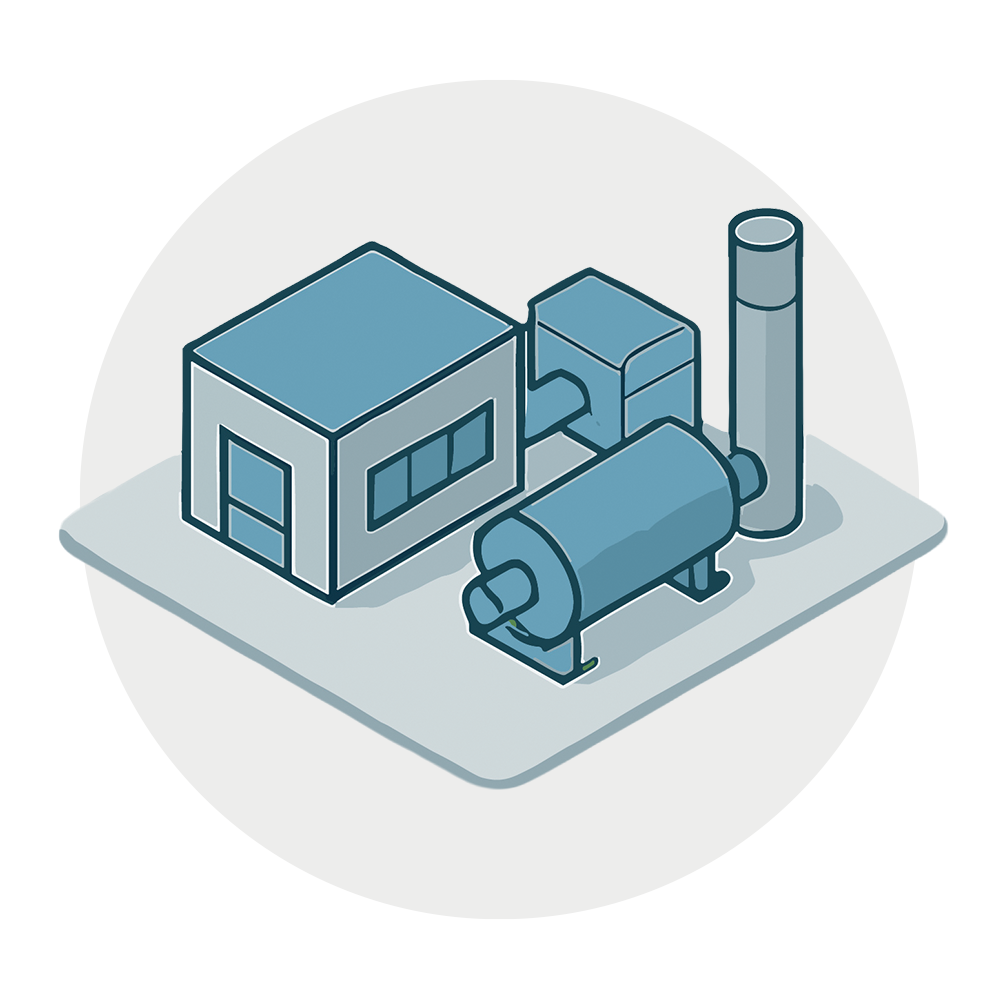
Advanced treatment systems
The treated water undergoes further treatment depending on what it is to be used for:
- filtration (sand or membrane filters)
- activated carbon filters
- disinfection using UV light, ozone or chlorine
- reverse osmosis
Carbon footprint
The issue surrounding the carbon footprint of recycled water is just as complex as the question of whether the polluters should pay. It is clear that not only more energy is required but also that the production of the activated carbon needed to produce the highest quality of water has a negative impact on its carbon footprint. The biggest impact, however, comes from the biological processes used in conventional wastewater treatment systems as they release methane and nitrous oxide. Studies have also shown that recycling water can, in fact, improve the carbon footprint. Ultimately, treated water replaces other ways of sourcing water – ways that themselves cause carbon emissions, whether it be from building and operating long-distance pipes or treating sea water. Consequently, experts like Hartwig believe the key to this issue is to deploy recycling systems with the lowest carbon emissions – for example by using green electricity – as well as to reduce methane emissions by adapting the processes.
Emotional barriers
As we are talking about water here – something humans see as being the source of life – this whole process cannot succeed unless society as a whole is on board. Many people are emotionally against the idea of using treated water. This attitude is not based on facts if the water is recycled in line with best practices. It will be essential, therefore, to ensure the public is well informed, to explain the technology in a transparent way, to present the different uses in a comprehensible manner and to make sure that there is trust in those operating the systems.
Conclusion
Reusing treated water will be a central component of sustainable water management systems in the future. The technology required to do this is already well-advanced today and can supply high-quality water. The importance of reusing water will grow as the impact of climate change kicks in and supplies of water grow ever scarcer. By having technical innovations, transparent communications and responsible regulations, such systems can have a major impact on strengthening water security.
Image credits: image 1, 3: Shutterstock: petrmalinak; image 2: © REMONDIS; image 4: Adobe Stock: Bundi