
Poland remains one of the RETHMANN Group’s most important markets in Europe. For family business entrepreneur Norbert Rethmann, the country also holds personal significance. He has been travelling to Poland regularly for many years, keeping track of developments within the companies there as well as social and economic changes. During this year’s visit, too, the programme included discussions with employees, managers and local authority representatives. The trip took him to sites operated by REMONDIS, Rhenus and SARIA, providing a comprehensive insight into the group’s current investments and future projects in Poland.
In this brand story, we have outlined the current state of the circular economy in Poland and the importance of public-private partnerships.
REMONDIS continues to drive forward the circular economy in Szczecin
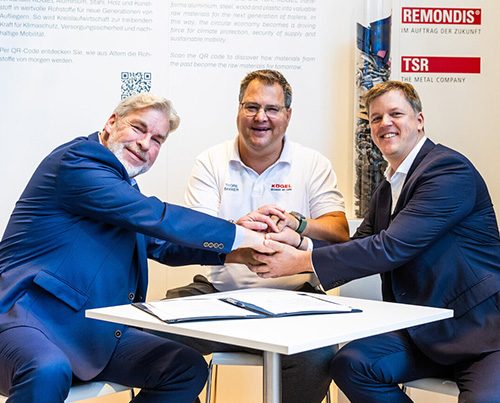
A key focus of the trip was the visit to REMONDIS in Szczecin. There, Norbert Rethmann gained information about major infrastructure projects designed to further expand and modernise the circular economy in the region. The focus was on the planned Szczecińskie Centrum Biorecyklingu, the Szczecin Centre for Bio-Recycling. The company was established as part of a public-private partnership between the City of Szczecin and REMONDIS Szczecin. REMONDIS Szczecin holds a 51 per cent stake, whilst the City of Szczecin holds 49 per cent. In this long-term partnership, the City of Szczecin and REMONDIS are combining their respective strengths: the City of Szczecin’s responsibility for municipal waste management on the one hand, and REMONDIS’s technical and operational expertise on the other.
This public-private partnership has proven highly successful over many years: following initial discussions between the City of Szczecin and the RETHMANN Group as early as 1992, a Polish-German joint venture was established in 1993 as a public-private partnership, for the benefit of the citizens and businesses of Szczecin. This made it only the second public-private joint venture that was established between Polish and German partners.
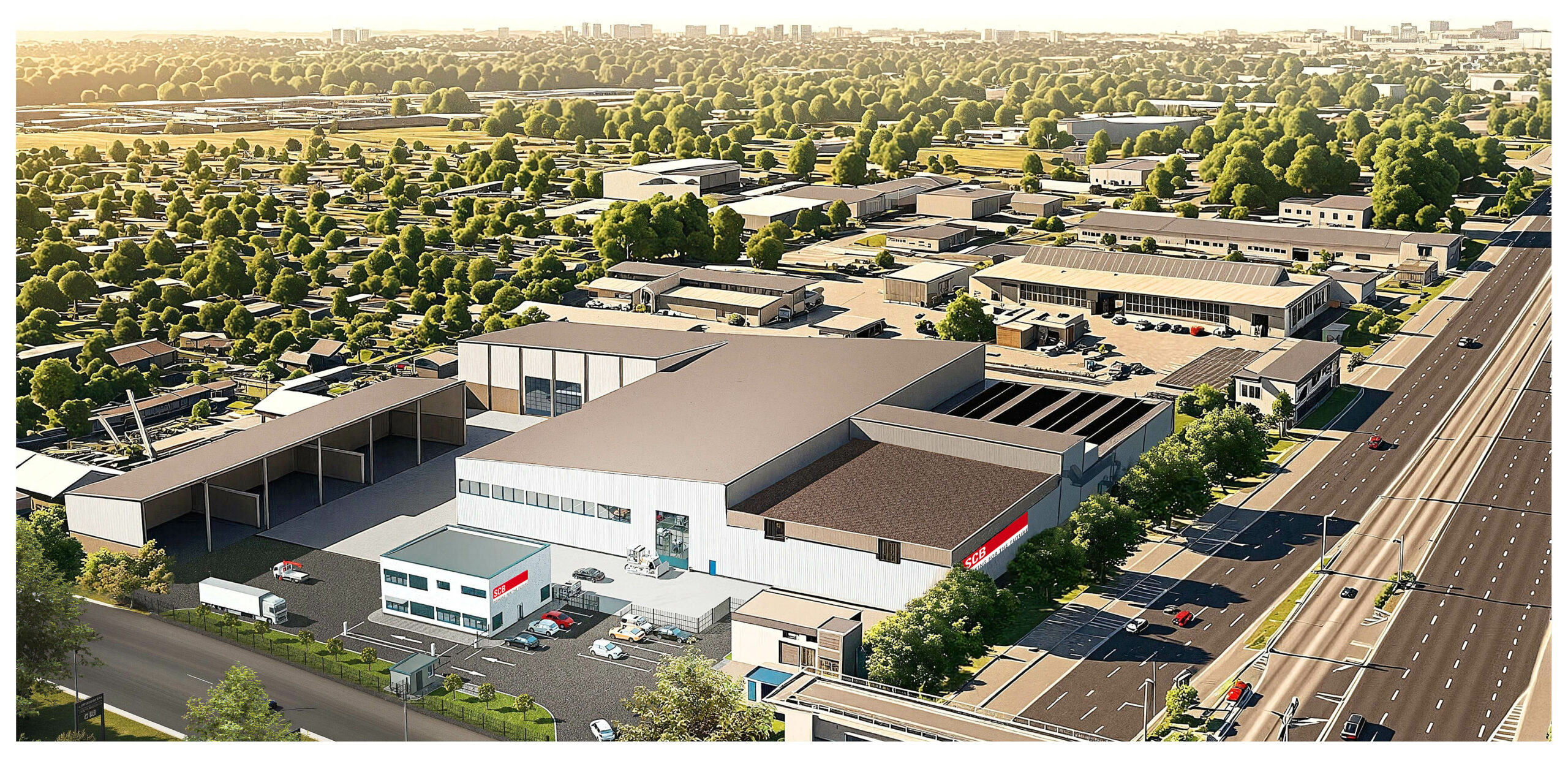
View of the planned Szczecińskie Centrum Biorecyklingu, the Szczecin Centre for Bio-Recycling
A modern composting plant with a capacity of 40,000 tonnes per year is to be built at the new site. The entire process of organic waste recycling will take place within a closed system, from the reception of waste through to treatment and the removal of the finished compost.
The aim of the investment is to produce certified compost or soil improver that is rich in organic matter and can be used, amongst other things, in agriculture.
Following the construction of the incineration plant, the establishment of recycling centres and the introduction of waste separation using bags and bins, the bio-recycling centre is set to form the final element of Szczecin’s waste disposal and recovery system. The project demonstrates just how effective and forward-looking the collaboration between a local authority and a private company can be when it comes to developing modern waste management infrastructure.
Norbert Rethmann also visited REMONDIS Szczecin’s new mechanical-biological waste treatment plant. It replaces an older container-based facility and processes up to 30,000 tonnes of material annually through the mechanical-biological treatment of mixed municipal waste. The new plant represents another step towards modernising the local waste management infrastructure. At the same time, it strengthens the role of REMONDIS Szczecin as one of the Group’s flagship companies in Poland.
Finally, he visited the Bydgoszcz site, where REMONDIS operates also a mechanical-biological waste treatment plant and has made big investments in recent years.
Rhenus invests in the future of the Port of Szczecin
Another item on the agenda was a visit to Bulk Cargo Port Szczecin (BCPS), the largest port terminal in the Port of Szczecin. Since early 2025, the company has been almost entirely owned by the Rhenus Group. On a 65-hectare site, which is rented long-term through 2049, BCPS operates a high-capacity universal terminal, serving as a logistics hub for the movement of goods in Northern and Central Europe.
Rhenus is pursuing a long-term growth strategy for the site. A comprehensive investment programme includes the modernisation of infrastructure and IT systems, as well as the acquisition of new handling equipment. The aim is to further expand the port site and develop it into a modern multi-purpose terminal that meets the requirements of both international customers and future flows of goods.
Rhenus has been operating in Poland since 1993 and is today represented in Poland with all five of its divisions (Automotive, Contract Logistics, Overland Transport, Port Logistics, and Air & Ocean). The company’s original name in Szczecin was “Rhenus Poland”; in 2006, the company there was renamed Rhenus Port Logistics.
SARIA expands capacity in Jezuicka Struga
The final stop on the trip took Norbert Rethmann to Jezuicka Struga in the Kuyavian-Pomeranian Voivodeship. This long-established site looks back on several decades of development and has been part of the SARIA Group since 2018. In recent years, the facility has been continuously modernised and expanded to include new business areas. The visit focused on the extensive investments made to expand processing capacities for Category 1 materials. Following the strategic decision to concentrate on the core business of the safe disposal of animal by-products, a comprehensive expansion programme was launched. The project is now in its final phase. Once operations commence – which is scheduled to take place shortly – the site’s processing capacity will almost double.
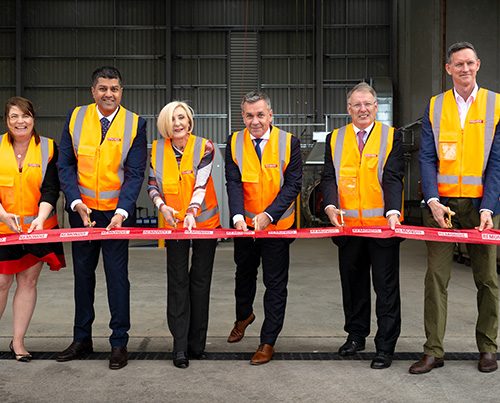
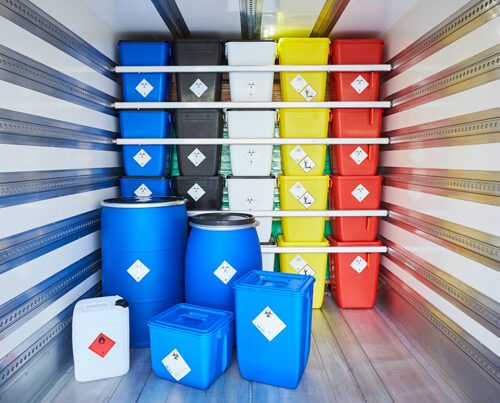
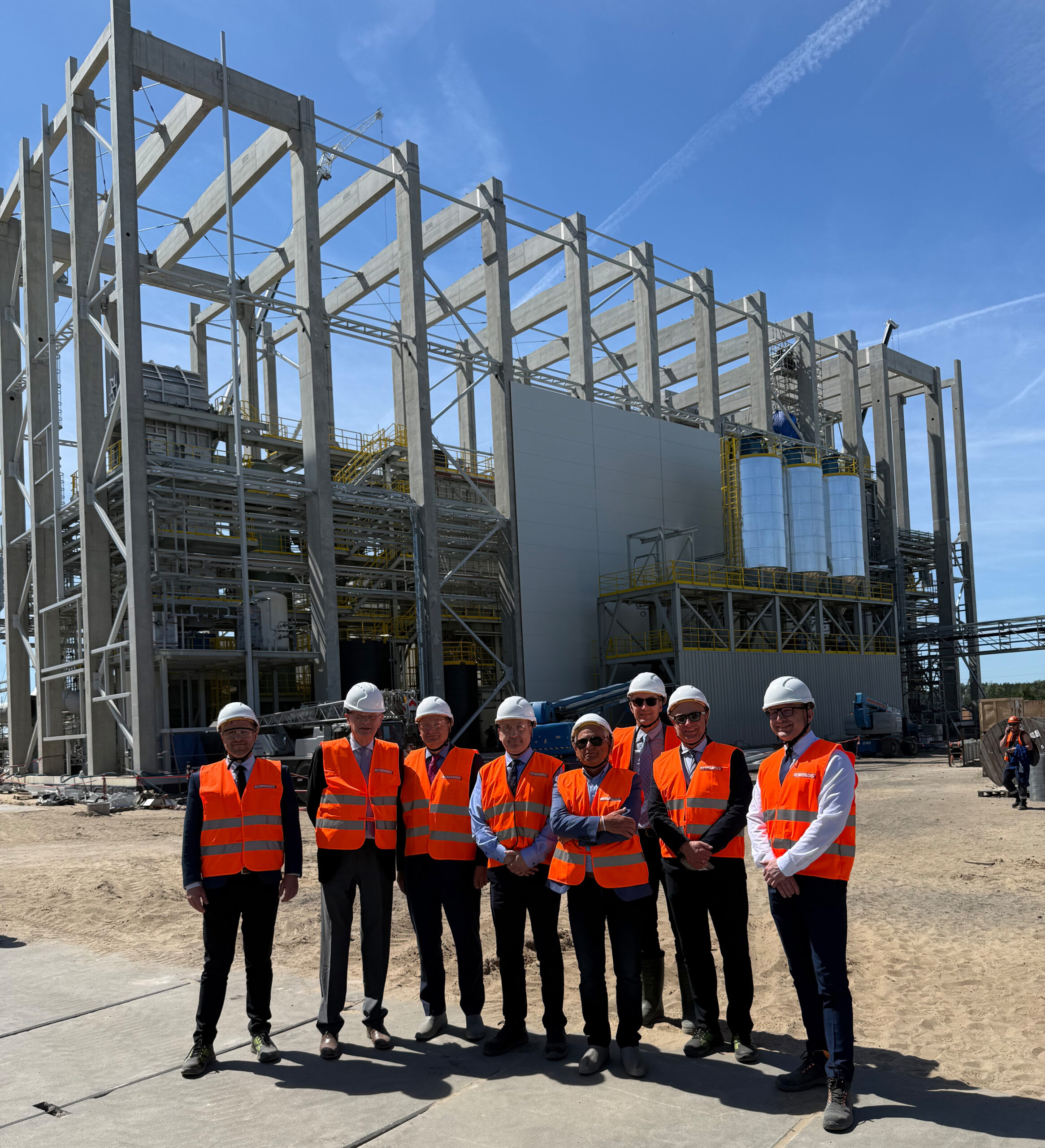
Another major project by the REMONDIS Group is also taking shape in the immediate vicinity of the SARIA plant: REMONDIS is building the most modern incineration plant for hazardous and medical waste in present-day Poland in Jezuicka Struga. This construction project, too, has already entered its final phase. Norbert Rethmann visited the construction site and found out first-hand about the progress of the work and the future significance of the plant for the safe and environmentally sound disposal of particularly sensitive waste streams. The new incineration plant is being built to the latest technical international standards.
Norbert Rethmann (second from left) gained insights into how the waste management infrastructure in Poland is being developed further. Here, he visited the site in Jezuicka Struga, where REMONDIS is constructing the new incineration plant for hazardous and medical waste.
Development and prospects for the future
At the end of his trip, Norbert Rethmann drew a very positive conclusion:
“I have been visiting Poland regularly for many years and am delighted every time to witness the development of the country and our local companies. What particularly impresses me are the people who are working towards the future with great dedication, a high level of expertise and entrepreneurial courage. The investments I have seen at REMONDIS, Rhenus and SARIA impressively demonstrate this country’s potential. Poland has developed exceptionally well in recent years and continues to offer excellent prospects for sustainable growth, innovation and successful partnerships.”
Image credits: © REMONDIS